
Spider-Man
Overview
LEGO Spider-Man sets have appeared under multiple release structures over the years — initially within the broader Marvel Super Heroes programme and later as a dedicated subtheme with its own product line. The sets span the Sam Raimi film trilogy, the Amazing Spider-Man reboot, and the MCU's three standalone Spider-Man films, meaning the character's LEGO history traces two decades of screen interpretations across radically different visual styles. Spider-Man is the single most commercially significant Marvel character in the licensed LEGO programme. Sets appear more consistently than almost any other Marvel property, and the character's global recognition — strongest among both children and adult collectors alike — means demand for Spider-Man figures is structurally deeper than most of the Marvel roster. The figure catalogue reflects this: Spider-Man himself appears in more variants than almost any other Marvel character, across costumes ranging from the classic red-and-blue to Iron Spider, Black Suit, Miles Morales, and a growing gallery of multiverse variants. That depth makes selectivity essential — not all Spider-Man figures carry the same collector credentials.
Key Characters in the Spider-Man Theme
The Spider-Man catalogue covers 18 characters across 30 minifigures — a small but historically significant roster anchored in the Raimi film era. Mary Jane Watson leads with 4 variations, followed by Spider Man, Peter Parker and Doctor Octopus with 3 each. The majority of the 11 characters with only a single variant are supporting characters and therefore don’t command a strong premium considering their age. SPD016 - Dr Octavius in his original configuration is the only example of a single variant that has a particularly strong used value, though of course he is also available in his Doctor Octopus form.
View all characters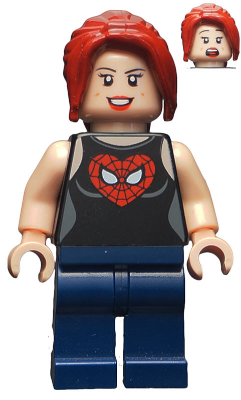
Mary Jane Watson
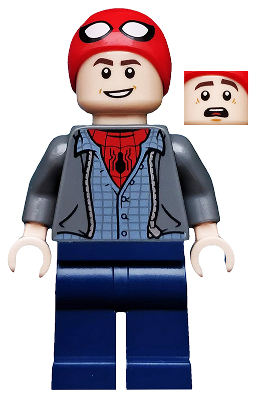
Peter Parker

Doctor Octopus
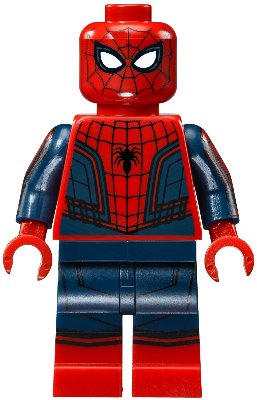
Spider-Man
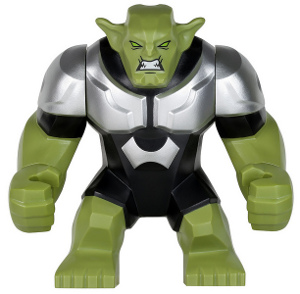
Green Goblin
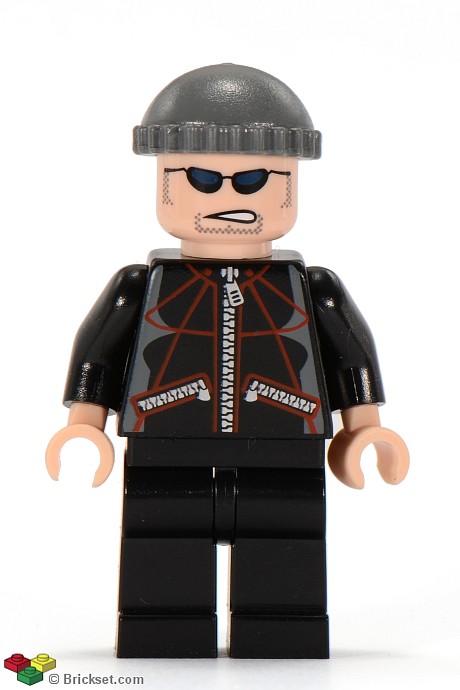
Jewel Thief

Harry Osborn
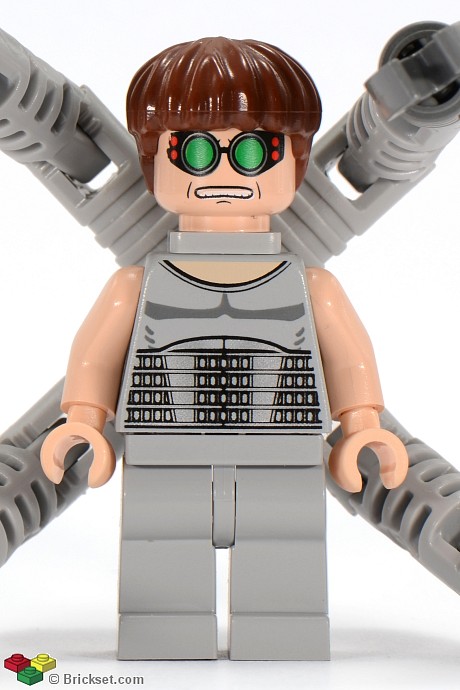
Dr Octavius
Largest Sets by Piece Count in the Spider-Man Theme
The early Spider-Man LEGO sets from 2002–2004 represent some of the oldest licensed LEGO releases on Brickpit — now 20+ years retired and increasingly scarce in collectable condition, most sets are valued at over £100, even in used condition.
View all 9 sets
Spider-Man Combined Set
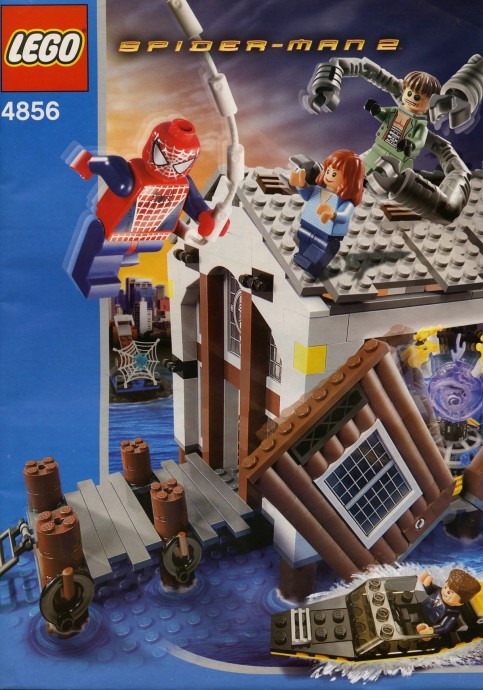
Doc Ock's Hideout
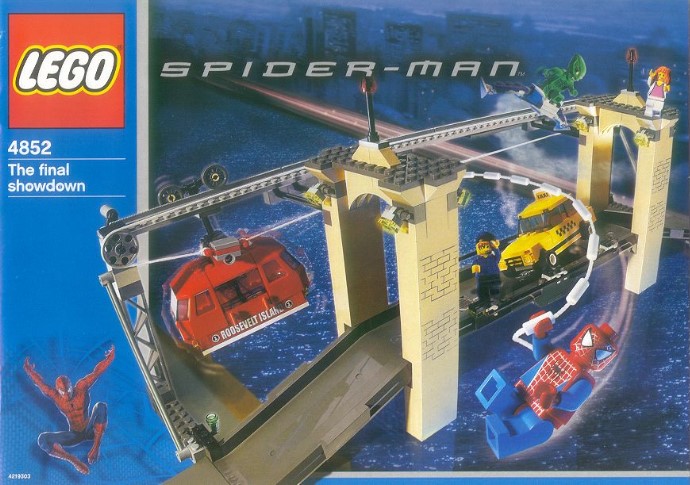
Spider-Man vs. Green Goblin -- The final showdown
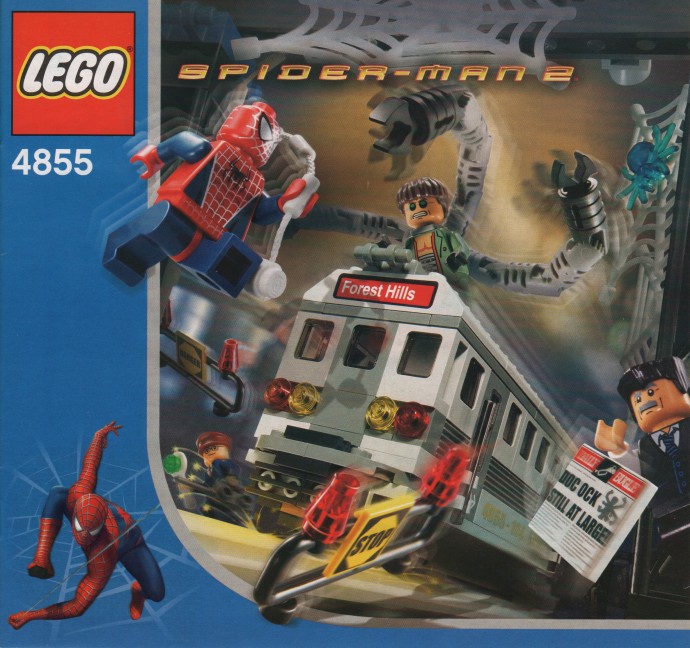
Spider-Man's Train Rescue
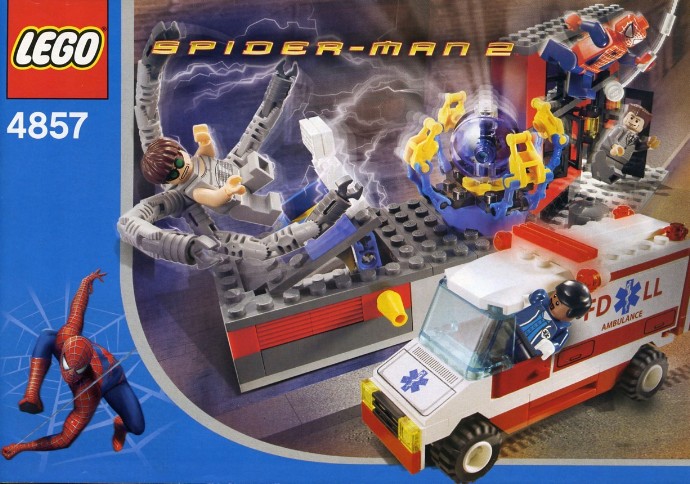
Doc Ock's Fusion Lab
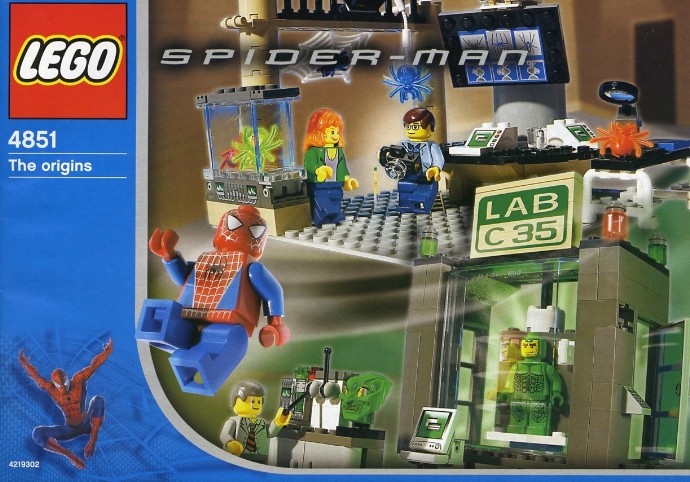
Spider-Man and Green Goblin - The origins
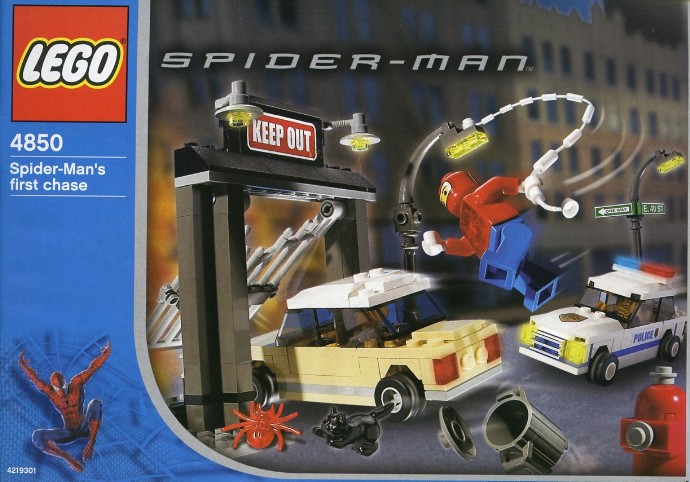
Spider-Man's first chase
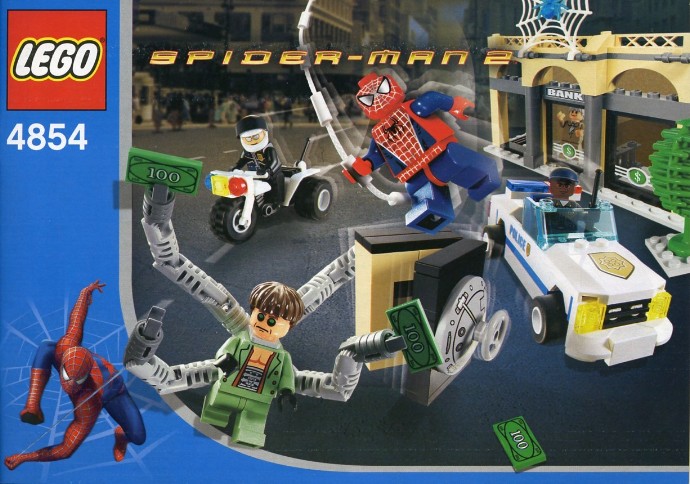
Doc Ock's Bank Robbery
Notable Minifigures
The Spider-Man catalogues highest values sit in its earliest releases. SPD012 - Spider-Man (£49.32) and SPD001 - Spider-Man (£23.93) both represent early Spider-man variants from the 2002–2004 Sam Raimi film era — figures that predate the modern MCU design language and carry a 20-year age premium that newer Spider-Man variants simply cannot match. SPD006 - Green Goblin (£47.48) follows the same pattern, valued for its specific print variant across a franchise where the base character has since accumulated many more modern depictions.
View all 30 minifigures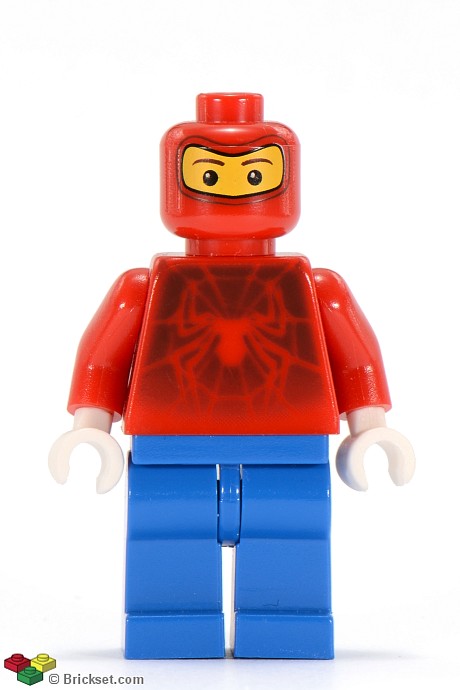
Spider-Man 2 - Balaclava Face
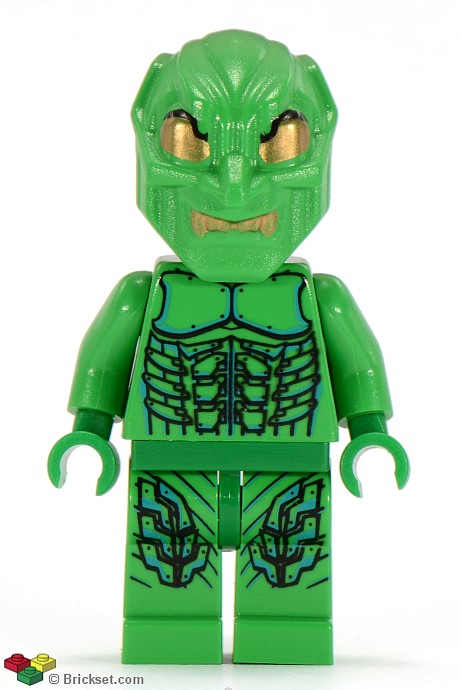

Green Goblin 2, Gold Eyes


Green Goblin with Neck Bracket
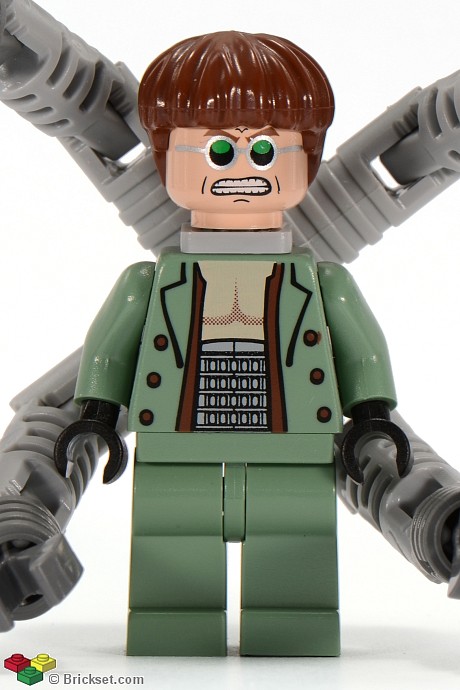
Dr. Octopus (Otto Octavius) / Doc Ock, Sand Green Jacket, Sand Green Legs, Clenched Teeth Smile - With Arms
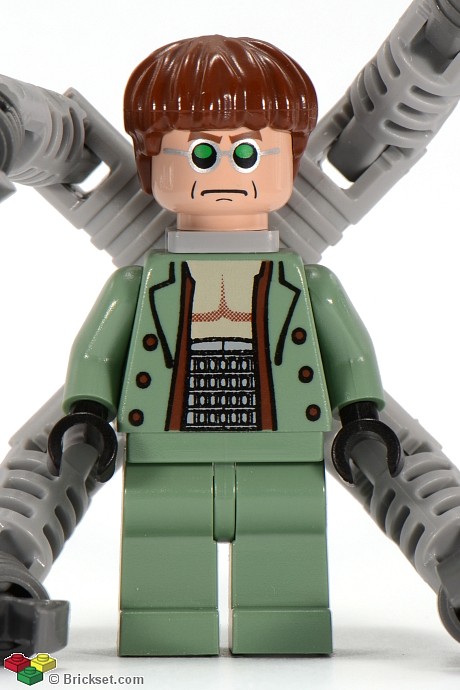
Dr. Octopus (Otto Octavius) / Doc Ock, Sand Green Jacket, Sand Green Legs, Thin Smirk - With Arms
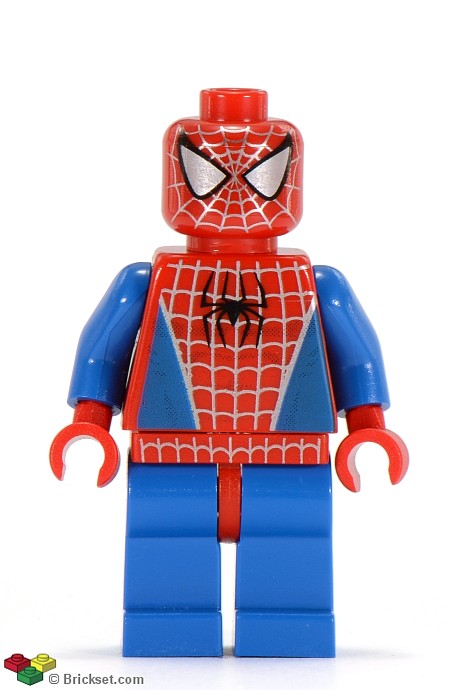
Spider-Man 1 - Blue Arms and Legs, Silver Webbing
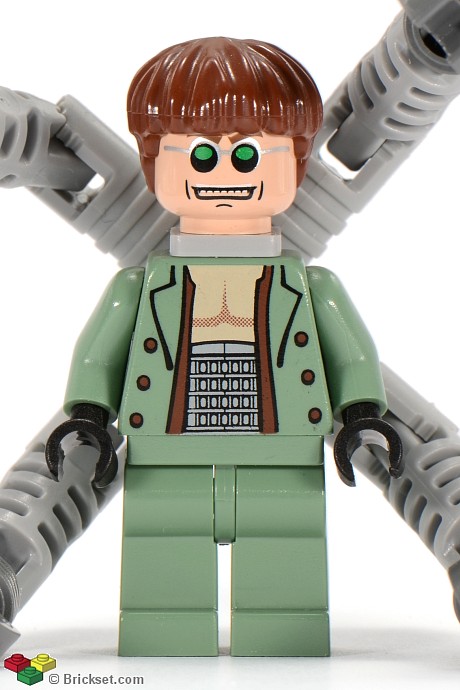
Dr. Octopus (Otto Octavius) / Doc Ock, Sand Green Jacket, Sand Green Legs, Thin Toothy Smile - With Arms

Dr. Octopus (Otto Octavius) / Doc Ock, Light Bluish Gray Torso, Light Bluish Gray Legs - With Arms
Collectability & Investment Insights
Spider-Man sits within Brickpit's Tier 2 Marvel multiplier, but its secondary market behaviour consistently trends above the Marvel baseline. The character's commercial dominance means figures tied to specific film moments or unique costume depictions carry stronger demand than equivalent figures from less prominent corners of the Marvel catalogue. The price spread is wide and reasonably well-structured: common suits in high-volume annual sets trade cheaply, while early film-era depictions, single-set costume variants, and figures tied to major film moments command meaningful premiums. The No Way Home wave in particular created a short production window for several variants — multiple Spider-Man depictions appearing together for the first time — and those figures have since appreciated significantly. The primary collector risk for Spider-Man is variant inflation. The character is remade so frequently that new variants continuously dilute the exclusivity of existing ones. The strategic call is identifying which depictions represent a *functionally unique* costume or character moment unlikely to be revisited — those are the variants where scarcity compounds over time rather than being crowded out by new production.