
DC Comics Super Heroes
Overview
LEGO DC Comics Super Heroes launched in 2011 and has run continuously since, making it one of the longest-running superhero licence programmes in LEGO history. The theme covers the full DC universe — Batman, Superman, Wonder Woman, The Flash, Green Lantern, Aquaman, and a vast supporting cast of heroes and villains — with annual releases timed to major film and TV output from DC Entertainment and Warner Bros. The scale of the catalogue is substantial. With nearly 200 sets across 15 years of production, DC Super Heroes represents one of the deepest minifigure catalogues in licensed LEGO history. That breadth introduces complexity: the same character can appear in dramatically different variants across different eras, with print generation, dual moulding, and design quality all affecting the visual distinctiveness — and secondary market value — of individual figures. For collectors, DC Super Heroes rewards a focused approach over completionism. The roster is too large and too actively extended to track comprehensively without a framework. The most interesting opportunities tend to sit at the intersection of character significance, limited set distribution, and visual quality — which is exactly what Brickpit's scoring is designed to surface.
Key Characters in the DC Comics Super Heroes Theme
Batman and The Joker are the backbone of this theme — with 86 and 27 variants respectively, they are among the most extensively produced characters in all of licensed LEGO. Superman (13 variants), Harley Quinn (12) and Catwoman (10) round out the most represented characters. The most interesting collector angle is the 61 DC characters currently represented by only a single variant: figures like Superboy, Red Hood, and Reverse Flash — recognisable names with real fan followings — where a single figure is the only option in the entire LEGO catalogue.
View all characters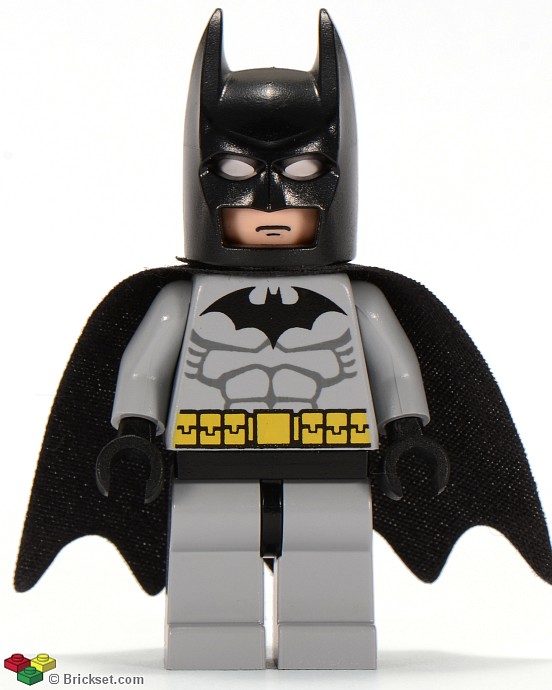
Batman
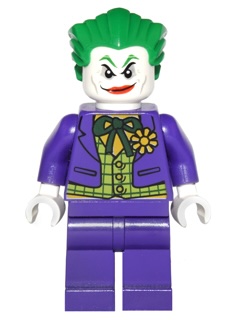
The Joker
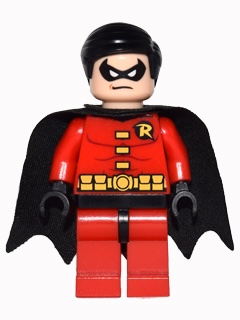
Robin
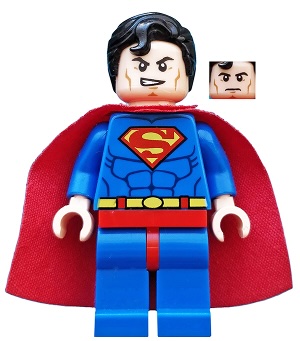
Superman
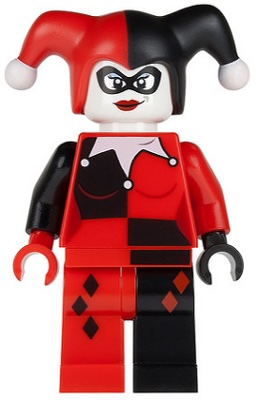
Harley Quinn
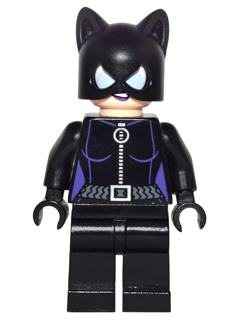
Catwoman
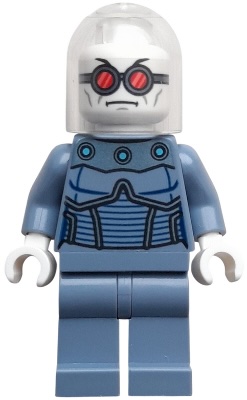
Mr. Freeze
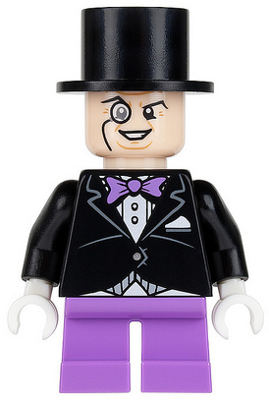
The Penguin
Largest Sets by Piece Count in the DC Comics Super Heroes Theme
At 233 sets spanning 2012 to the present, the DC Super Heroes catalogue covers a wide range of scales and price points — from magazine gift polybags to large-scale display sets. The bulk of collector interest sits in the Batman subtheme, which accounts for nearly a quarter of all sets in the range.
View all 233 sets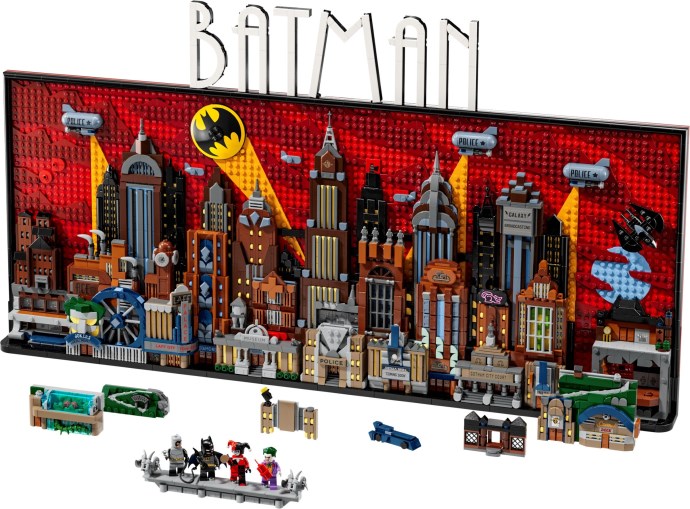
Batman: The Animated Series Gotham City
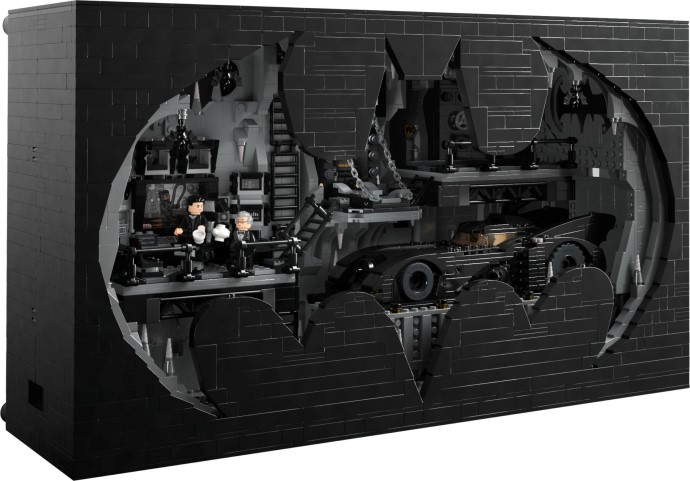
Batcave – Shadow Box
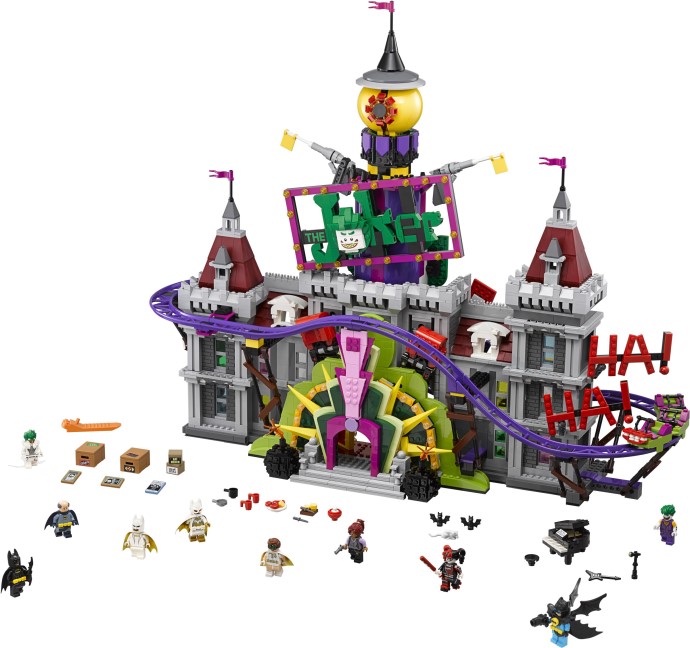
The Joker Manor
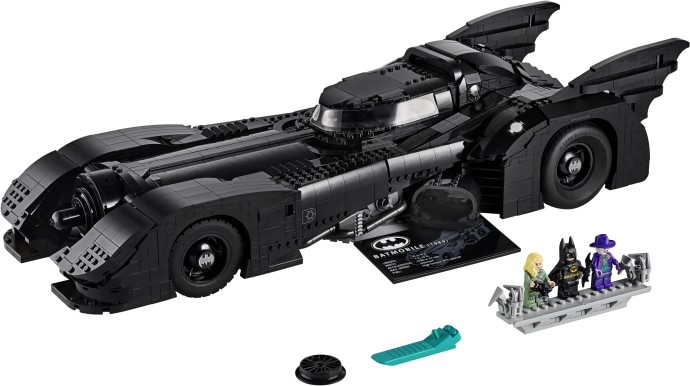
1989 Batmobile

Arkham Asylum
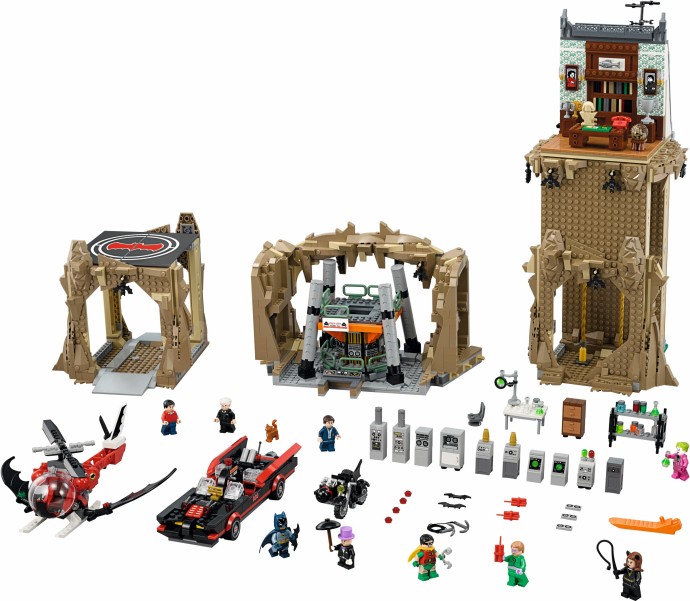
Batman Classic TV Series - Batcave
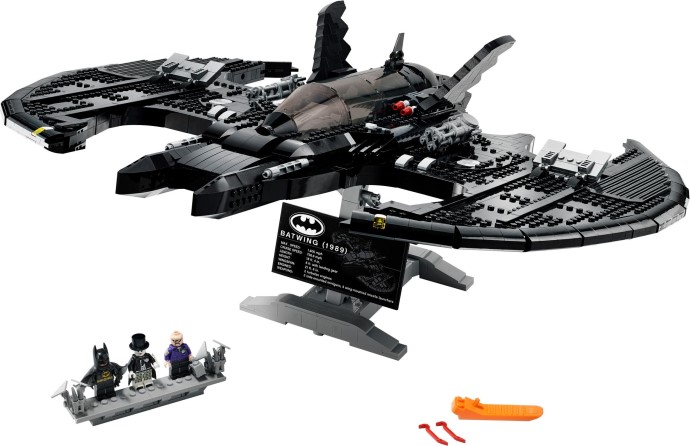
1989 Batwing
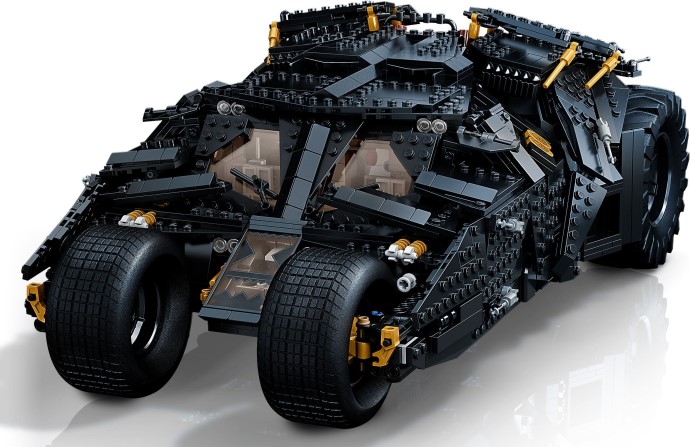
Batmobile Tumbler
Notable Minifigures
Batman dominates the DC catalogue with 86 recorded variants — but that volume means most individual Batman figures are common and inexpensive. The real collector opportunities sit in two places: convention exclusives and characters with surprisingly few variants. SH0001 - Green Lantern commands £337.84 used, reflecting its near-impossible availability. At the other end, characters like SH0488 - Condiment King (£47.74) and SH0455 - Gentleman Ghost (£47.37) demonstrate how deep-cut villain characters with a single variant and a single set appearance can quietly command meaningful premiums, simply because there is no alternative way to own them in LEGO form.
View all 407 minifigures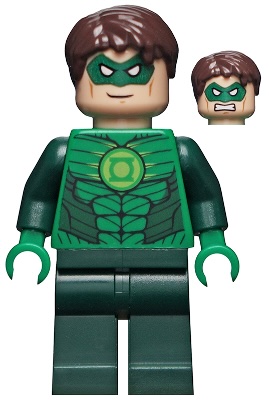


Green Lantern (Comic-Con 2011 Exclusive)
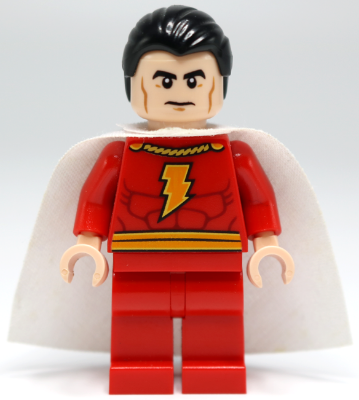
Shazam / Captain Marvel (Comic-Con 2012 Exclusive)
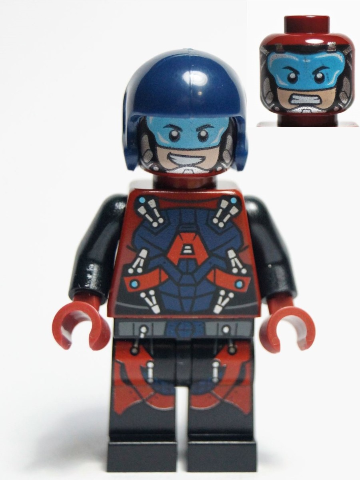

ATOM (San Diego Comic-Con 2016 Exclusive)
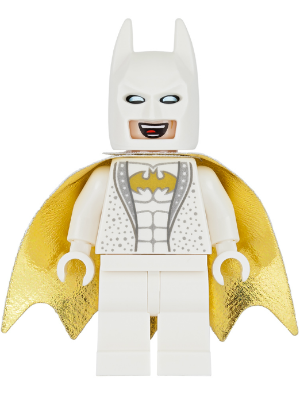
Disco Batman
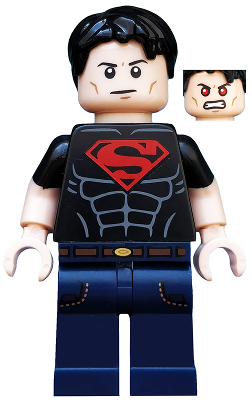
Superboy
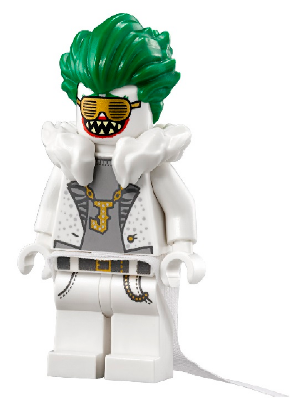
Disco The Joker
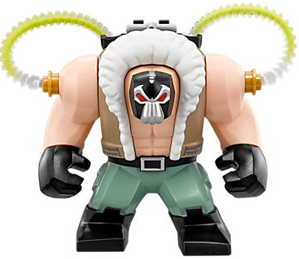
Bane
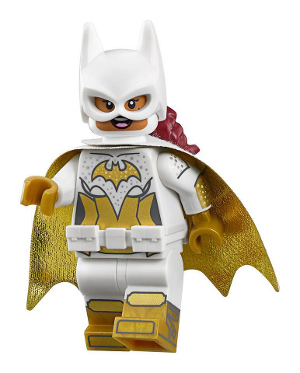
Disco Batgirl
Collectability & Investment Insights
DC Comics Super Heroes carries Brickpit's Tier 2 multiplier, reflecting strong sustained franchise demand anchored primarily by the Batman and Superman properties. In practice, this supports a meaningful structural premium for well-scored DC figures relative to non-licensed LEGO, while falling below the ceiling reserved for Star Wars and Lord of the Rings. The price spread within this theme is wide. Common figures from high-volume annual sets trade at low single digits; the rarest and most character-significant variants occupy a very different tier. Batman and Joker figures consistently drive the theme's strongest secondary market activity — the franchise-within-a-franchise dynamic means those two characters structurally outperform the broader DC catalogue. A defining characteristic of DC Super Heroes is its high rate of character remakes. Batman in particular has been depicted dozens of times, which significantly suppresses the Character Exclusivity scores of common variants. The collector premium in this theme increasingly falls on figures that depict a specific character in a *functionally unique* way — a particular costume, moment, or design that hasn't been replicated — rather than on character identity alone. That's the lens Brickpit's scoring applies: raw variant count matters, but functional uniqueness is what drives long-term value.